Grease Fire Prevention: The Real Cost of Skipping Kitchen Exhaust Cleaning
Why a Greasy Kitchen Exhaust Is a Fire Waiting to Happen
Walk into any busy commercial kitchen and you will see the same scene: cooks moving fast, oil splattering, steam rising. The exhaust system hums overhead, pulling heat and smoke out of the building. What you cannot see is the invisible layer of grease building up inside the ductwork, the exhaust fan, and the hood itself. That layer is the real danger. A single spark from an ignition source can turn months of grease buildup into a catastrophic grease fire. I have seen it happen in restaurants that thought they were doing enough. They were not.
Grease fire prevention is not a slogan you put on a poster. It is a daily practice backed by a serious standard: NFPA 96. That code exists because commercial kitchen fires are predictable, and almost every one of them can be stopped before it starts. The key is understanding where grease hides and how to remove it completely. You cannot fight what you cannot see.
The Bare Metal Standard and What It Really Means
NFPA 96 requires that all surfaces in a kitchen exhaust system be cleaned down to bare metal. This is not a suggestion. It is the legal baseline for fire safety in any commercial kitchen that uses cooking oil or any grease-producing equipment. When a fire marshal inspects your hood, ductwork, and exhaust fan, they are looking for one thing: abandonment of grease. That means any residue left behind from the last cleaning. If they find it, you fail. Worse, your insurance may not cover a fire if the inspection shows you were not compliant.
The bare metal standard sounds simple, but in practice it demands a specific approach. You cannot just spray degreaser and wipe the visible parts. A proper deep cleaning involves scraping, brushing, and sometimes steam-cleaning every inch of the hood, the ductwork, the exhaust fan blades, and the grease trap. The hood filters must be removed and soaked. The fire suppression system must be checked to ensure the nozzles are not blocked by grease. If any component is still greasy to the touch, the job is incomplete.

Where Grease Hides
Most people think the hood filter catches everything. It does not. Hood filters capture the largest droplets, but the fine aerosolized grease particles travel past the filter and settle inside the ductwork, on the walls of the exhaust fan housing, and on the fan blades themselves. Over time, that layer builds up into a thick, sticky coating. That coating is fuel. A grease fire in a commercial kitchen often starts not on the stove but inside the ductwork, where no one sees it until the flames burst out of the roof.
I once consulted for a pizzeria that had a small fire inside their exhaust fan. The owner said they cleaned the hood filters every week and thought that was enough. The fire marshal found grease buildup inside the fan housing that was nearly half an inch thick. The fire suppression system had triggered, but the nozzle was so caked with grease that the agent could not spray effectively. They were lucky the fire did not spread to the rest of the building. That is the difference between a close call and a total loss.
Building a Real Cleaning Schedule
A cleaning schedule is not something you write once and forget. It must match the volume and type of cooking in your kitchen. A fast-food restaurant that fries chicken all day will need more frequent cleanings than a bakery that mostly uses ovens. NFPA 96 gives general guidelines, but the real schedule depends on your specific operation. I advise operators to start with the code minimum and then adjust based on what they see during inspections.
- High-volume frying operations: clean hood and ductwork every 90 days, or more often if grease buildup is visible.
- Moderate-volume kitchens: clean every 180 days, with monthly checks on hood filters and grease traps.
- Low-volume kitchens: clean annually, but still inspect the exhaust fan and ductwork quarterly.
The schedule is only as good as the execution. A deep cleaning must be done by a trained professional who knows how to reach every part of the system. I have seen well-meaning kitchen staff try to clean the ductwork themselves and miss the sections inside the exhaust fan housing. That is where the fire risk is highest.
The Role of the Fire Suppression System
A fire suppression system is your last line of defense, not your first. It is designed to activate when the temperature inside the hood reaches a certain level, releasing a wet chemical agent that smothers the fire. But if the system is not maintained properly, it may not work when you need it. UL 300 is the standard for these systems, and it requires annual inspection and testing by a certified technician. The nozzles must be positioned correctly and free of any grease buildup. The agent must be at the right level and not expired.
Even a perfect fire suppression system cannot stop a fire that starts inside the ductwork beyond the hood. The system covers the cooking surface and the hood interior, but once the fire moves past the hood into the ductwork, the suppression system cannot reach it. That is why grease fire prevention has to start before the fire ever happens. The ductwork must be clean, the exhaust fan must be free of grease, and the entire system must be inspected regularly.

Common Mistakes That Lead to Fires
I have seen the same patterns repeat in kitchens across the country. The most common mistake is thinking that cleaning the hood filters is enough. Filters are just one piece of the puzzle. The second mistake is ignoring the exhaust fan. The fan blades accumulate grease quickly because they are constantly in contact with the hot, greasy air. When the blades get heavy with grease, the fan motor works harder, overheats, and can become an ignition source itself. That is a fire that starts inside the system, with no visible warning.
Another mistake is neglecting the grease trap. The grease trap collects liquid grease that drips from the hood and ductwork. If it is not emptied and cleaned regularly, the grease can overflow and create a slip hazard, or it can ignite if a spark reaches it. The trap is often hidden away in a corner, out of sight, and out of mind. But it is part of the system, and it must be part of the cleaning schedule.
The third mistake is waiting for the fire marshal to tell you there is a problem. By then, you are already behind. A proactive approach means inspecting your own system monthly, keeping records of every cleaning, and hiring a certified exhaust cleaning company that follows the bare metal standard. The cost of a deep cleaning is small compared to the cost of a grease fire: lost business, damaged equipment, potential injuries, and a damaged reputation.
Practical Steps for Grease Fire Prevention
If you run a commercial kitchen, here are the steps I recommend based on years of experience working with fire safety professionals and kitchen operators.
- Know your system. Walk through the entire exhaust path from the hood to the roof. Understand where the ductwork runs and where the exhaust fan is located.
- Set a realistic cleaning schedule based on your cooking volume and stick to it. Do not let it slide during busy periods.
- Hire certified professionals for deep cleaning. They have the tools and training to reach every surface and leave it bare metal.
- Inspect your fire suppression system annually with a UL 300 certified technician. Replace any expired agent and clean every nozzle.
- Keep a log of all cleanings and inspections. That log is your evidence for the fire marshal and your insurance company.
These steps are not complicated, but they require discipline. The kitchen is a high-pressure environment, and it is easy to let maintenance slide. But grease fire prevention is the one area where cutting corners can cost you everything.
The Bigger Picture: Code Compliance and Peace of Mind
NFPA 96 is not just a set of rules. It is a framework that has been developed over decades, based on thousands of fire investigations. The bare metal standard is the result of those investigations. When you follow it, you are not just checking a box. You are protecting your staff, your customers, and your business. A clean exhaust system runs more efficiently, uses less energy, and lasts longer. It also smells better and produces less smoke inside the kitchen. Those are side benefits, but they matter.
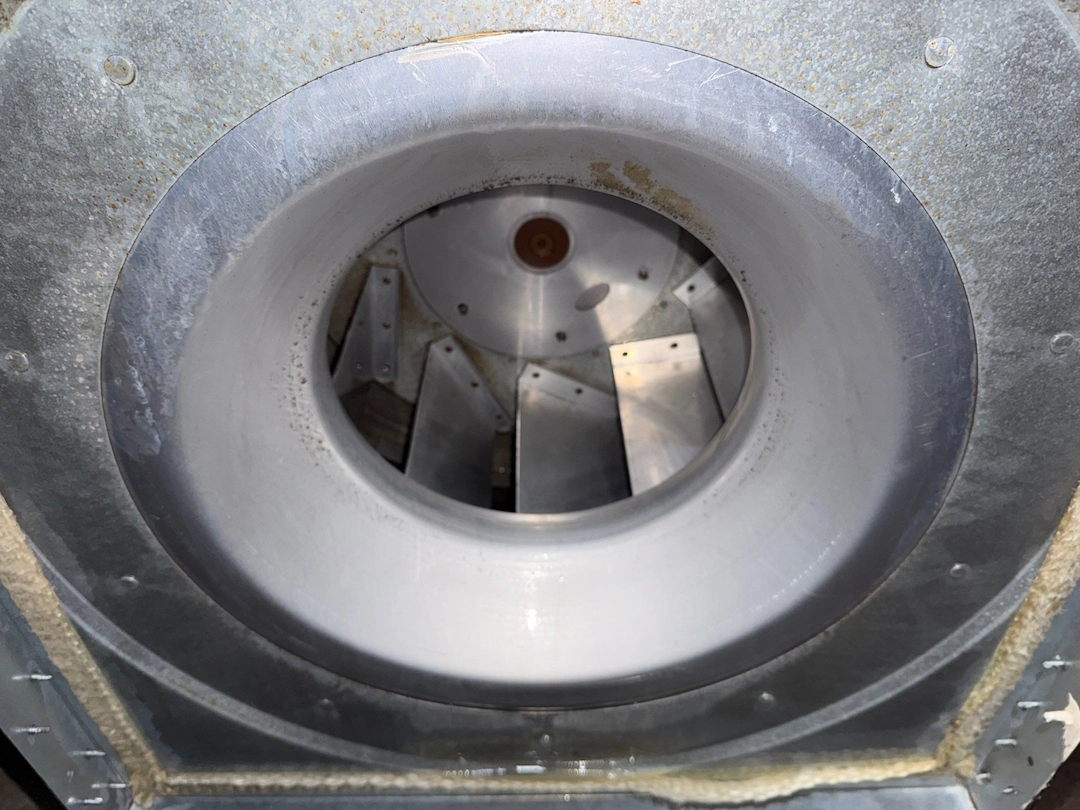
I have walked into kitchens that were spotless on the cooking line but had ductwork that looked like a science experiment in grease accumulation. The owners were shocked when I showed them the photos. They thought they were fine. They were not. The reality is that grease buildup is invisible until it becomes a problem. You cannot see inside the ductwork without a camera or a mirror. But the fire does not need to see you. It only needs fuel, heat, and oxygen. Your exhaust system provides all three if it is not clean.
Grease fire prevention is not a one-time project. It is a cycle: clean, inspect, maintain, repeat. Every cleaning resets the clock on the next fire risk. Every inspection catches a potential problem before it escalates. Every maintenance check keeps the equipment running safely. The kitchens that survive fires are the ones that treat this cycle as non-negotiable. The ones that do not are the ones I read about in the news.